Posted on: 13 October 2026
Residential care is a long-term living arrangement where trained staff provide 24-hour support with personal care, meals, medication and daily life, in a safe and comfortable home. It suits people who can no longer manage safely on their own but do not need round-the-clock nursing. At Ballagh Care, a family-run group with three homes in Clacton-on-Sea, this is the heart of what we do through our residential care service.
Wondering If Residential Care Is Right? Let's Talk It Through
Our team can talk through your family's situation and explain what support would look like day to day, with no pressure to decide anything.
What Residential Care Looks Like Day to Day
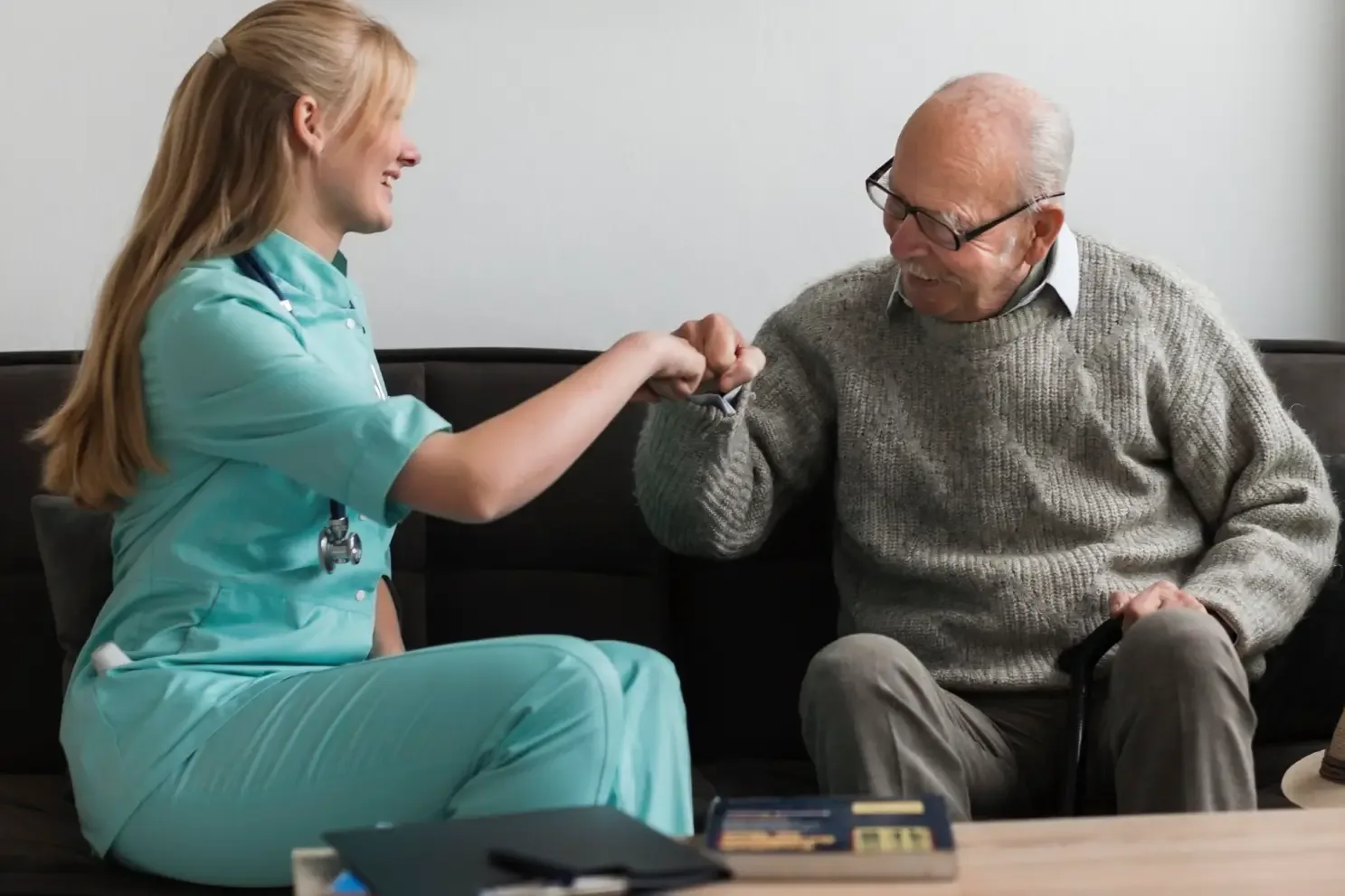
Residential care is built around helping someone live comfortably and safely, with as much independence as possible. Carers help with washing, dressing and daily routines, and look after medication safely. Residents enjoy three meals a day plus snacks, with dietary needs catered for, and housekeeping and laundry are taken care of.
Each person has a private, furnished room, along with shared lounges, dining areas and gardens to enjoy. There are activities, outings and family events to keep life social, and trained staff are always on site, day and night.
Is Residential Care Right for Your Loved One?
It is often the right step when someone finds daily tasks like cooking, bathing or dressing difficult, has had falls, feels lonely, or relies on a family carer who is now stretched.
Residential care is not the same as nursing care, which involves registered nurses on site. Our guide to residential care vs nursing care explains the difference in plain terms.
Four Ways a Care Home Can Support You
Care homes offer more than one kind of support. Long-term residential care is a permanent home with everyday help, while dementia care adds specialised memory support in a calm, familiar setting.
Respite care is a short stay that gives family carers a break, and day care offers daytime company and meals before returning home in the evening. You can compare them all on our care services page.
Key takeaway: Residential care is about support with daily living, not medical treatment. It keeps people safe, well and as independent as possible.
Life Inside a Care Home: What Families Can Expect
Many families worry that a care home will feel clinical. A good one should feel like home. Residents choose how to spend their day, eat together or privately, and take part in music, crafts, gentle exercise and outings.
Ballagh Care is a family business spanning two generations, and our homes are designed to feel like a true home from home. The first few weeks after a move can be emotional, so it helps to bring familiar photos and furniture, share your relative's life story with staff and give everyone time to settle.
Signs It May Be Time to Start the Conversation
There is rarely one single moment. Families often notice missed meals or medication, a home that is becoming unsafe or hard to manage, or a recent fall or hospital stay.
Changes in mood, confidence or hygiene, and growing worry among relatives, are other common signs. Asking early does not commit you to anything, and it often makes the decision less rushed.
How to Choose the Right Care Home in Essex
Look beyond the brochure. When you visit, notice whether staff greet residents warmly and whether the home feels calm and lived in. Read the latest Care Quality Commission (CQC) report, and ask how many carers are on shift and how long the team has been there.
Ask to see a menu and an activity timetable too, and check whether the home can adapt if needs change. For a wider view, see our overview of residential care homes in Essex.
See It for Yourself: Book a Visit
Photos only tell part of the story. Meet the team, see the rooms and gardens and get a feel for daily life at one of our three homes.
Meet Our Homes and Understand the Costs
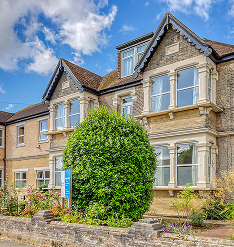
Ballagh Care runs three established homes in Clacton-on-Sea: Winsford House, Gairloch House and The Cavendish. You can see them all on our Our Homes page.
Costs vary by home, room and level of support. Some people pay privately, while others receive help from their local council after a needs and financial assessment.
Your Questions, Answered
What is the difference between residential care and a nursing home?
Residential care provides personal support, meals and supervision. A nursing home also has registered nurses on site for ongoing medical needs.
Can someone with dementia live in residential care?
Yes, many homes support people with dementia, and some offer dedicated dementia care with trained staff and a calm environment.
Can my relative stay for a short time first?
Yes. Respite care allows a short stay, which is a good way to experience a home before deciding on a permanent move.
Can residents bring their own belongings?
Generally, yes. Personal furniture, photos and keepsakes help a room feel like home. Ask the home what is possible.
How do I arrange a visit?
You can call 01255 435408 or use the enquiry form to book a visit at any of our three homes.
Ready for the Next Step? We're Here to Help
You do not need all the answers. Ask us about fees, availability or anything else on your mind, and we will guide you at a pace that suits your family.
Ready to visit Ballagh Care home?